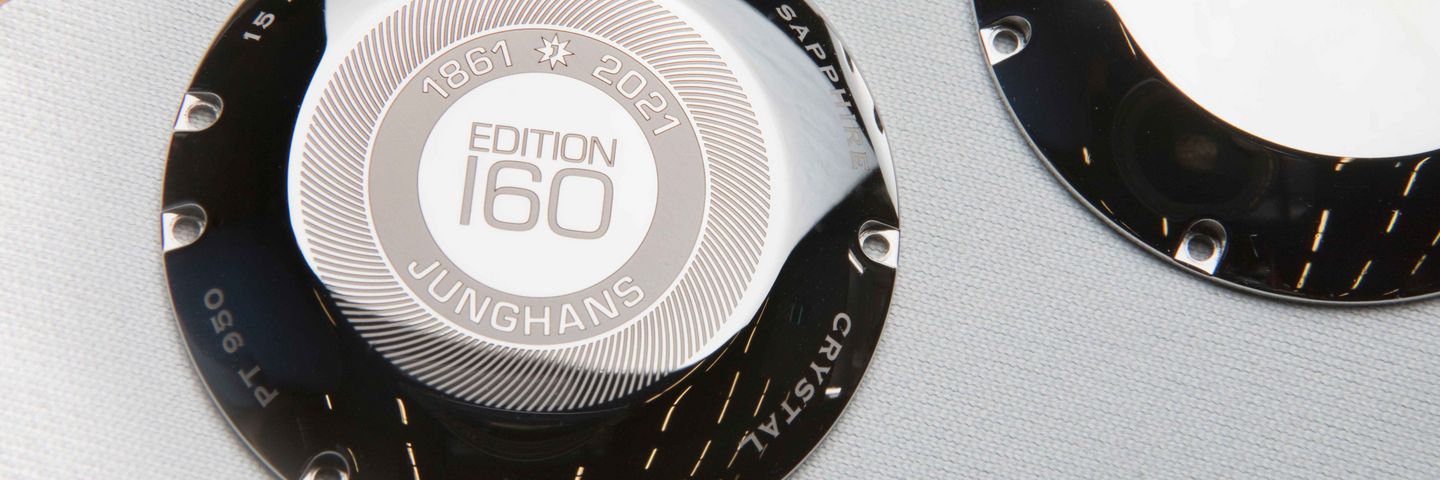
How to replace etching processes with ultra-short laser pulses – with burr-free engravings, high optics, and stable cycle times
Chemical etching puts your production under pressure: chemical handling, environmental regulations, long process chains. The white paper shows how you can use ultrashort pulse lasers to engrave 316L stainless steel and other clock and watch materials in a way that rivals established etching processes in terms of appearance, brightness, and gloss, while at the same time achieving higher levels of productivity and stable, reproducible results. You will learn how to combine TruMicro 2000 lasers, scanner optics, and process parameters in such a way that you can engrave burr-free, reduce process times, and eliminate chemical risks. Find out more in the white paper:
- The quality limits of conventional marking lasers in the clock and watch industry and where USP lasers have a clear advantage
- How TruMicro 2000 with 400 fs–20 ps pulses enables burr-free engraving at 50-100 µm depth with higher throughput rates
- How to adjust the appearance (light, dark, glossy, matte, colored) specifically via pulse duration, burst modes, and energy
- Typical system setup (TruMicro 2030, scanner, optics) for clock and watch components made of 316L, titanium, and copper
- How to ensure process reliability and quality with cycle time studies, reference samples, and small parameter adjustments