How to combine high belt speeds, stable legibility, and short cycle times with laser marking in the run-through
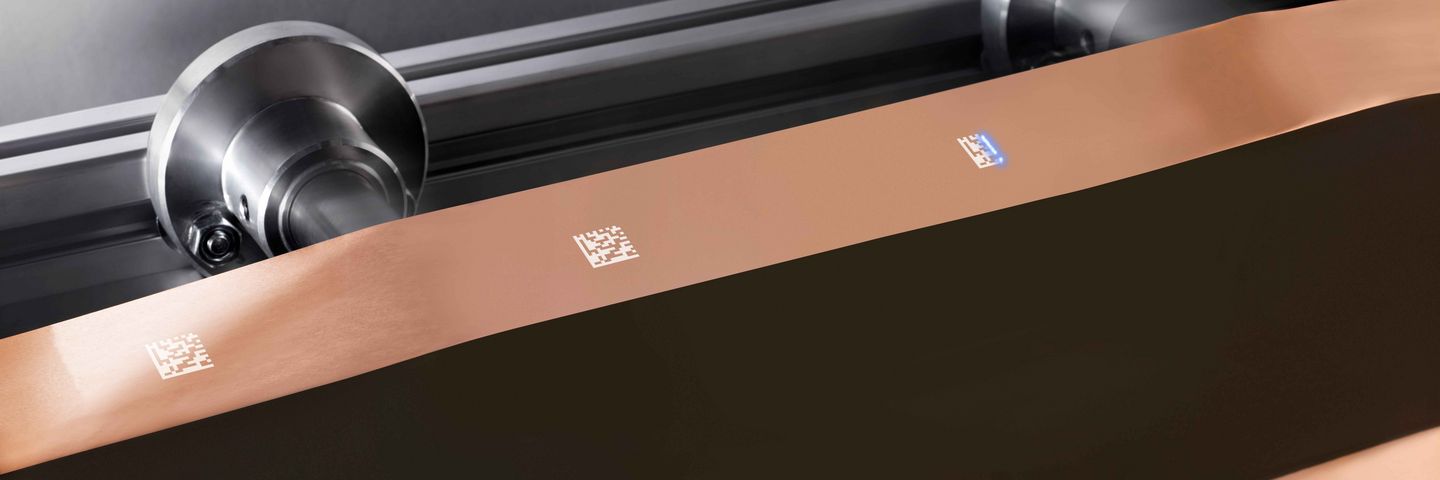
Laser marking must not slow down your production line. The white paper shows you how to design marking on the fly (MOF) in a technically sound way – from sensor systems and encoder connection, through to software parameters and optimization of the marking design. Using actual production examples (cables, tubes, battery foils, packaging, metal, and plastic parts), you will learn how to harmonize marking quality, cycle time, and process stability while avoiding stop-and-mark processes. This allows you to reduce downtimes, decrease the number of rejects, and ensure reproducible marking results with increasing quantities. Perfect for managers who need to keep an eye on the OEE, throughput, and traceability at the same time. Find out more in the white paper:
- How MOF works linearly, rotationally, and cylindrically – and which variant makes sense for your application
- Which hardware and software requirements are crucial for stable processes (sensor systems, encoders, RTC, TruTops Mark)
- How to design the marking field, transport speed, and content so that cycle times and throughput are right
- Identify technical limits (e.g. multi-line, bitmaps) and how to optimize layouts for reliable readability
- Practical examples with belt speeds of up to 300 m/min and tips for reducing the cycle time